
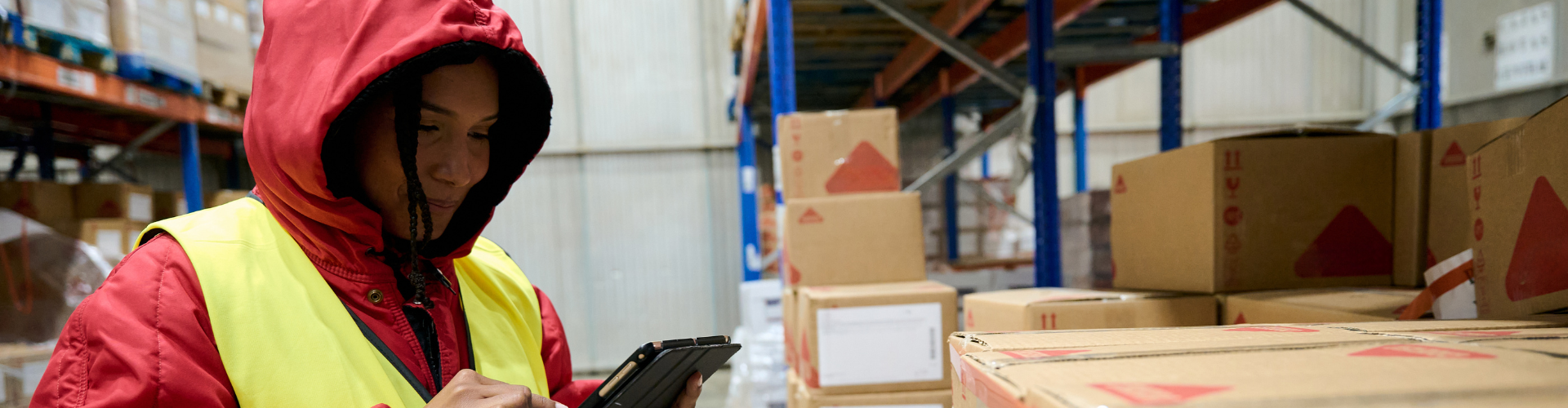
Working in cold rooms, freezers and temperature-controlled environments can create specific workwear considerations for businesses. The appropriate freezer suit may depend on factors such as the working environment, duration of exposure, job function and garment specifications.
Understanding these factors can help businesses make more informed decisions when selecting freezer workwear.
Choosing the Right Freezer Suit for the Working Environment
Freezer workwear is available in several configurations, allowing businesses to consider the level of coverage and mobility required for different roles.
A freezer jacket primarily provides coverage for the upper body and may be suitable where this is the main area requiring additional insulation. Freezer pants can provide corresponding lower-body coverage, while a freezer jumpsuit or full freezer suit combines full body coverage into a single garment.
The appropriate option can vary according to the environment. Conditions in a chilled room, deep-freeze area or loading bay may differ, as can the amount of time employees spend in each area.
Businesses should therefore consider the garment’s stated specifications alongside the requirements of the role.
Where Is Cold-Chain Workwear Used?
Cold storage workwear may be relevant across a range of industries where employees work in temperature-controlled environments. Potential applications include cold storage and distribution centres, food and beverage operations, retail cold rooms and temperature-controlled logistics.
Pharmaceutical and other temperature-sensitive supply chains may also involve controlled environments where specialised workwear needs to be considered alongside the organisation’s broader workplace procedures.
What Should Businesses Look for in Freezer Workwear?
When selecting a freezer suit, businesses may wish to assess the garment’s insulation, coverage, fit, freedom of movement and suitability for the tasks being performed.
Durability and garment condition can also be relevant, particularly where workwear is used regularly and subjected to repeated laundering. The garment’s care instructions and compatibility with the business’s laundering arrangements are worth considering as part of the selection process.
The requirements applicable to cold-chain workwear can vary depending on the working environment, identified hazards, intended use of the garment and relevant workplace requirements. Rather than assuming that one certification applies to every freezer suit, businesses should assess the garment’s specifications and supporting documentation against the specific requirements of their operation.
Freezer workwear should be considered as part of the organisation’s broader workplace risk assessment. Working temperature, duration of exposure, employee tasks and any additional workplace hazards can influence the type and specification of garment required. Taking these factors into account supports a more structured approach to workwear selection based on the actual operating environment.
Buying Freezer Suits: What Does the Total Cost Include?
The purchase price of a freezer jacket or suit is only one consideration when assessing the overall cost of cold-chain workwear.
Businesses may also need to account for:
- laundering,
- repairs,
- replacement garments,
- storage, and
- maintaining sufficient stock across different employee sizes and laundering cycles.
The frequency with which garments are used and the conditions in which they are worn can also influence their working life.
For this reason, comparing freezer suits for sale based solely on the initial purchase price may not provide a complete picture of the resources required to manage them over time.
Buying vs Renting Freezer Suits
For businesses that prefer not to manage every aspect of their workwear internally, rental can provide an alternative to purchasing garments outright.
A rental arrangement may incorporate garment supply, collection, laundering and agreed maintenance services. With First Garment Rental, garments can be collected for laundering as part of the service, with quality checks and repair or replacement processes incorporated according to the rental arrangement.
This approach may be worth considering for businesses looking to simplify workwear administration while maintaining an organised supply of garments for employees. Rental arrangements can also provide a way to structure workwear expenditure around an agreed service rather than managing each garment purchase and maintenance requirement separately.
How Should Freezer Workwear Be Managed?
Regular attention to garment condition can help businesses identify when workwear may no longer be suitable for its intended use. Insulation, fastenings, fabric and other components can be checked for signs of damage or wear.
Laundering requirements can depend on the working environment, frequency of use, garment-care instructions and the nature of any workplace contamination. Replacement timing can similarly vary rather than following one universal schedule.
Businesses may therefore benefit from having documented processes covering laundering, inspection, storage and replacement, with procedures suited to their particular operations.
FAQs
Does a freezer suit need to be CE certified?
CE marking is not, by itself, a general South African legal requirement for every garment described as a freezer suit. Where workwear is being used as PPE, the applicable requirements can depend on the workplace hazard, intended use and relevant regulations or standards. Businesses may therefore wish to check the garment’s specifications and supporting documentation against the requirements applicable to their particular operation.
How much does a freezer jacket cost in South Africa?
Prices can vary according to garment design, materials, specifications, supplier and purchasing arrangements. Laundering, maintenance and replacement costs may also be relevant when comparing options.
Can freezer suits be rented instead of bought?
Yes. Specialist workwear providers may offer freezer suit rental alongside services such as laundering, collection and garment maintenance, depending on the arrangement.
How often should freezer suits be laundered or replaced?
There is not necessarily one schedule suitable for every workplace. Laundering and replacement can depend on usage, working conditions, garment condition and applicable care requirements.
What’s the difference between a freezer jacket and a full freezer suit?
A freezer jacket covers the upper body, while a full freezer suit provides more extensive coverage. The appropriate option can depend on the employee’s duties and working environment.
Looking for Freezer Workwear for Your Business?
Choosing suitable cold-chain workwear involves considering the garment, the working environment and the practical requirements of managing it over time. At First Garment Rental we offer freezer suits as part of our wider workwear rental and laundering services.
To discuss your business’s requirements and explore available freezer workwear options, contact First Garment Rental for a quote.